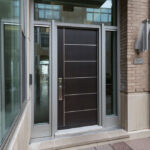

It often takes something to go wrong before business owners start thinking about their commercial doors in NYC. That could be a failed inspection, a violation notice, or worse, an emergency where a door refuses to work the way it should. The question you should be asking yourself as a business owner now is whether your door is up to code.
Commercial door codes exist for good reasons. They make sure people can get out safely during fires, so that everyone, including those with disabilities, can access your building.
Whether you’re planning a commercial doors installation or dealing with commercial doors of your own, understanding what’s required isn’t just about passing inspection. It’s about making sure your building is safe, accessible, and legally compliant.
Here’s what you need to know.
What Safety Issues Do Door Codes Address?
Fire Safety
Fire safety means doors slow down flames and smoke so people have time to evacuate. A door that doesn’t close properly or has the wrong rating can turn a contained fire into a disaster.
Egress Requirements
Egress requirements mandate an unobstructed pathway for easy access and exit during an emergency. The last thing you need is to have to use a key for a door that’s supposed to manage crowds; act up instead.
Accessibility
It’s not just about following ADA rules, rather about making sure everyone can use your building, whether they use a wheelchair, have limited hand strength, or need extra clearance space.
Security and Liability
When your doors meet code, you’re protected legally. When they don’t, you’re exposed to fines, lawsuits, and insurance complications if something goes wrong.
Also Read: 10 Common Issues with Commercial Doors and How to Fix Them
What Codes Do You Have to Deal With?
Commercial doors have to meet multiple codes that overlap and sometimes contradict each other.
- The International Building Code (IBC) is the foundation most places use. It covers door sizes, how they need to open, fire safety basics, and structural requirements.
- NFPA 80 gets specific about fire doors, such as how they’re installed, what hardware they need, how much clearance is allowed, and how often they need to be inspected.
- NFPA 101 (Life Safety Code) focuses on getting people out alive during emergencies.
- ADA Standards are about accessibility, such as the door width, how much force it takes to open them, what kind of handles they have, and the space around them.
- ANSI/BHMA Standards cover hardware testing and performance.
- Local codes are where it gets tricky. NYC has its own Building Code, Fire Code, and Housing Maintenance Code that add requirements on top of everything else. This is why you can’t just assume what worked in one state to work in another.
Dimension Requirements for Commercial Doors
Doors need to be big enough for people (and wheelchairs, gurneys, equipment) to actually get through.
1. Width
The standard is 36 inches for most commercial doors. For ADA compliance, you need a 32-inch clear opening when the door is open at 90 degrees, that’s measured from the door face to the frame edge, not just the door width.
Small storage rooms (under 10 square feet) get a pass on minimum width. Detention facilities have their own rules with a 28-inch minimum for cell doors.
2. Height
Eighty inches is the standard, which is about 6 feet 8 inches. Most people fit comfortably under that, even with a safety margin.
Some residential-style doors in hotels or apartments can be 76 inches if they’re not egress doors, but that varies by jurisdiction.
Egress and Life Safety Standards
1. Direction of Swing
- Exit doors must swing in the direction of egress
- Occupancies with 50+ people require doors to swing in the egress direction
- Doors serving rooms with an occupant load under 50 may swing in either direction, this is an exception.
2. Opening Operation
Commercial egress doors must be openable from the egress side in one motion, without:
- Keys
- Tools
- Special knowledge
- Special effort
This is known as “free egress” and is fundamental to life safety.
All Your Commercial Door Needs in One Spot!
Your commercial doors in NYC need to be up to code. If you’re in doubt, always verify! Code requirements are complex and tend to vary by jurisdiction, building occupancy type, and door location. This is why it’s always important to verify requirements with your local Authority Having Jurisdiction before any new construction, renovation, or replacement of hardware.
At Door Master New York, we specialize in code-compliant installations that meet all applicable building codes, fire safety standards, and accessibility requirements.
Our team understands New York City’s complex regulatory environment. We navigate all local requirements to make sure your doors pass inspection the first time. No surprises, no violations, and absolutely no costly retrofits.
Don’t risk non-compliance! Contact us for expert commercial door installation.